
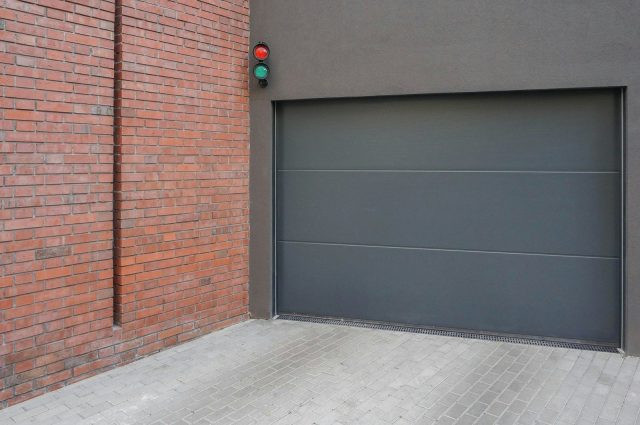
After a break-in, the first thing a homeowner usually loses isn’t the laptop or the bike. It’s the ability to prove, in any specific way, when the intruder got in, how they got in, and whether the property’s owner or manager had any reason to see it coming. That last question decides an inadequate-security case, and for years it was argued with grainy lobby footage and neighbor recollections.
Now, the small plastic box bolted to the garage ceiling keeps a timestamped diary of every open, every close, and the credential that triggered it. Any premises liability attorney worth hiring has noticed. So have defense teams.
The myths below are the ones that keep showing up in the first intake call, and each one costs families ground they can’t get back.
Myth: The Opener Only Remembers What You See in the App
The app shows a friendly scroll of recent events. The underlying record is a lot richer. A connected opener usually logs the exact timestamp of each state change, the triggering source (remote, keypad, in-app user, scheduled routine, or voice assistant), the device ID, and often the IP address behind a remote command. Pair that with a Wi-Fi camera or a smart lock on the interior door, and you have a sequence instead of a snapshot.
Forensic examiners treat this the way they treat any IoT artifact. A forensic walkthrough of smart-home evidence shows how unlock events, motion records, and camera clips get stitched into one timeline a jury can follow. The garage opener is usually the earliest entry in that timeline, which is why it keeps turning up as Exhibit A.
Myth: Burglars Only Strike at Night, So Daytime Logs Don’t Matter
This one is stubborn, and it’s wrong. A meaningful share of residential break-ins happen in daylight, when homes read as empty rather than occupied. A late-morning open event on a weekday reads very differently when the homeowner was at work and the property manager had been warned twice about a broken side gate.
Timing is foreseeability’s cousin. If the record shows a cluster of unexplained midday opens over the preceding month, that pattern becomes part of the duty argument. The log stops being a receipt and starts being notice.
Myth: A Negligent-Security Case Is About the Crime, Not the Records
The crime is the injury. The case is the paper trail around it. Property owners aren’t insurers of safety, but they do have a duty to take reasonable steps when harm is foreseeable, and the opener log is one of the cleaner ways to show what the owner knew, or should have known, before the incident. A good lawyer will pull that log alongside work orders, prior police reports, and any complaints the management company filed away.
The log carries weight because it’s machine-generated and timestamped at the source. That makes it harder to dismiss as self-serving and easier to authenticate under the business-records framework courts already use for digital evidence.
Myth: The Data Will Still Be There When You Need It
This is the costliest myth on the list. Most consumer opener platforms keep only a rolling window of history. Some hold roughly a month, some stretch to a year, and almost none let you export directly.
Cloud retention policies change without notice. Firmware updates have been known to wipe local caches. Delete the account and the record often goes with it.
- Screenshot immediately. Capture the event list for the window around the incident, including the day before and the day after.
- Send a preservation letter. The manufacturer, the property manager, and any monitoring vendor each need written notice to hold the data.
- Preserve the physical hardware. The opener itself, the keypad, and any paired hub can carry local artifacts the cloud copy doesn’t.
- Pull the related logs. Doorbell clips, interior smart lock history, and Wi-Fi router leases often corroborate the opener timeline.
Myth: A Timestamp Alone Will Carry the Case
A timestamp is a starting point. It needs context before it becomes an exhibit.
The source of the trigger matters, because an open attributed to “Keypad” in the middle of the night tells a different story than one attributed to a specific app user. The device clock has to be reconciled with the network’s time source, because small drift becomes a cross-examination opportunity. And the chain of custody has to be clean from the moment the data leaves the cloud to the moment it reaches the jury.
None of that is out of reach, but it has to be done early and done right. Handle the opener log the way a careful investigator handles a shell casing. Mark it, bag it, document who touched it, and get it in front of someone who knows how to read it before the retention clock runs out.