
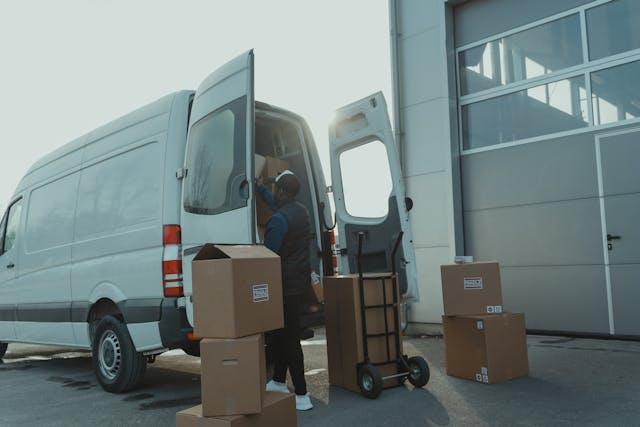
Urban areas across the United States are seeing a notable increase in delivery truck collisions — a trend fueled by rapid shifts in consumer behavior, transportation patterns, and city infrastructure. As e-commerce demand grows and delivery fleets expand, dense metropolitan environments are struggling to adapt to the heightened traffic and logistical pressures placed on their streets. Understanding the causes behind this rise is essential for city planners, policymakers, drivers, companies, and community members who share these increasingly crowded roads.
The E-Commerce Boom and Its Impact on City Streets
Surging Demand for Fast Delivery
The explosive growth of online shopping has dramatically increased the number of delivery trucks navigating urban neighborhoods. Today’s consumers expect same-day or next-day delivery, creating more trips per day for fleet operators. This sped-up delivery cycle forces trucks into tight schedules and congested areas at nearly all hours.
As truck fleets scale up to meet rising demand, many cities have not expanded their road infrastructure proportionally. The result is more trucks competing for limited lane space, curb space, and loading zones — all conditions associated with higher collision rates.
Pressure on Drivers
Delivery drivers often face intense productivity quotas. When under pressure to deliver dozens or hundreds of packages during a shift, drivers may make riskier decisions such as rolling stops, double parking, speeding, or taking unsafe turns. While not always intentional, these behaviors increase the chances of collisions with pedestrians, cyclists, and other vehicles.
Infrastructure Challenges in Urban Environments
Limited Loading Zones and Curb Management
One of the biggest obstacles for delivery drivers in cities is the lack of available curb space for loading and unloading. In many downtown districts, curb lanes are shared among buses, ride-share vehicles, taxis, and personal vehicles. Delivery trucks often resort to double parking or stopping in travel lanes, creating dangerous conditions for everyone nearby.
City governments are experimenting with designated delivery windows or dynamic curb pricing, but implementation has been slow compared to the rapid growth of delivery activity.
Narrow Streets and Complex Traffic Patterns
Older cities with narrower streets — such as those on the East and West Coasts — were not designed to accommodate large commercial vehicles. Tight turns, obstructed intersections, limited visibility, and high pedestrian traffic are all contributing factors to the rising crash rates involving delivery trucks.
In addition, the increase in protected bike lanes, while beneficial for cyclist safety overall, has created more interactions between trucks and cyclists when trucks cross bike lanes to reach curbs or make deliveries.
Increased Presence of Vulnerable Road Users
More Pedestrians and Cyclists in Urban Cores
Cities are actively encouraging walking, biking, and public transportation to reduce carbon emissions. While beneficial for sustainability and health, this shift also increases the number of vulnerable road users interacting with heavy delivery trucks.
Pedestrian-heavy corridors and bike-share programs place thousands of people per day in proximity to trucks whose size and blind spots create additional hazards.
Blind Spot Risks
Delivery trucks, particularly box trucks and step vans, have large blind spots along the sides and rear. In busy intersections, a cyclist or pedestrian can easily enter a driver’s blind spot without the driver noticing. When trucks make wide right turns — one of the most common collision scenarios — these blind spots become especially dangerous.
Driver Shortages and Experience Gaps
New and Less-Experienced Drivers
Fleet companies are frequently hiring new drivers to keep up with delivery needs. A nationwide driver shortage has led to onboarding workers with less experience maneuvering large vehicles in congested areas. New drivers may struggle with:
- Navigating tight streets
- Estimating truck turning radius
- Identifying hazards while multitasking
- Safely backing into alleys or loading docks
These challenges amplify the risk of preventable accidents, especially during peak delivery seasons.
Training Limitations
While some companies invest heavily in safety training, others rush onboarding to meet demand. Inconsistent training quality across the industry contributes to rising collision numbers. Federal safety data resources, such as the Federal Motor Carrier Safety Administration, show the link between training deficiencies and commercial vehicle crash trends.
Technological Factors and In-Vehicle Distractions
Route Optimization Tools
Delivery drivers rely on GPS navigation, route planning apps, and dispatch messages, which can become significant distractions. Although digital route tools improve efficiency, they also demand frequent screen checks — a dangerous task in high-traffic areas.
New Safety Systems and Their Limitations
Advanced driver-assistance systems (ADAS), such as collision avoidance sensors, lane departure alerts, and automated braking, are becoming more common in commercial fleets. However, not all vehicles are equipped with them, and some drivers may over-rely on these systems, leading to complacency.
Regulatory and Enforcement Gaps
Challenges in Updating Safety Regulations
Urban freight activity has evolved faster than safety regulations can keep up. Many cities lack updated rules governing curb usage, delivery zone access, truck route planning, and after-hours delivery allowances. Without modernized policies, congestion and safety issues will persist.
Insufficient Enforcement
Even existing regulations — such as restrictions on truck routes or parking limitations — are often under-enforced due to limited resources. This lack of enforcement allows unsafe patterns, like illegal parking or speeding, to continue unchecked.
Community Impacts and Public Safety Concerns
Environmental and Noise Issues
More delivery trucks on the streets contributes not only to collisions but also to noise and air pollution. Neighborhoods with high delivery density may experience more idling trucks, worsening local air quality.
Economic Costs of Delivery Truck Accidents
Collisions involving delivery trucks often lead to significant economic consequences, including medical expenses, repair costs, lost productivity, and increased insurance premiums for companies. For individuals impacted by such crashes, the effects can be long-lasting and financially devastating.
When Legal Support Becomes Necessary
Victims of delivery truck accidents sometimes seek legal assistance to help navigate the aftermath of a collision. For example, an Oakland delivery truck accident lawyer can help injured motorists, pedestrians, or cyclists understand their rights, gather evidence, and pursue compensation.
Strategies for Reducing Delivery Truck Collisions
Urban Planning Innovations
Cities are experimenting with solutions such as micro-distribution hubs, expanded delivery windows, dedicated loading zones, and cargo bike delivery programs. These strategies aim to reduce the number of large trucks navigating densely populated areas.
Fleet Safety Improvements
Companies can help mitigate risks by investing in:
- Comprehensive driver training programs
- Vehicle maintenance
- ADAS technology
- Better route planning tools that minimize high-risk areas
Public Awareness and Road Sharing
Educating cyclists, pedestrians, and drivers about the limitations of large trucks — especially blind spots — improves everyone’s safety. Collaborative efforts between local governments, community groups, and delivery companies create safer streets for all.
About the Author:

With a BA in communications and paralegal experience, Irma Dengler decided to make the best of her writing skills. She decided to turn complicated legal matters into something more palatable for the masses. Therefore, Irma became a law communicator who writes about everyday problems so everyone can understand them and take the appropriate action. She specializes in personal injury cases, as they are more common than anyone thinks, but her areas of expertise also include civil law, criminal law, insurance-related issues, and more.