
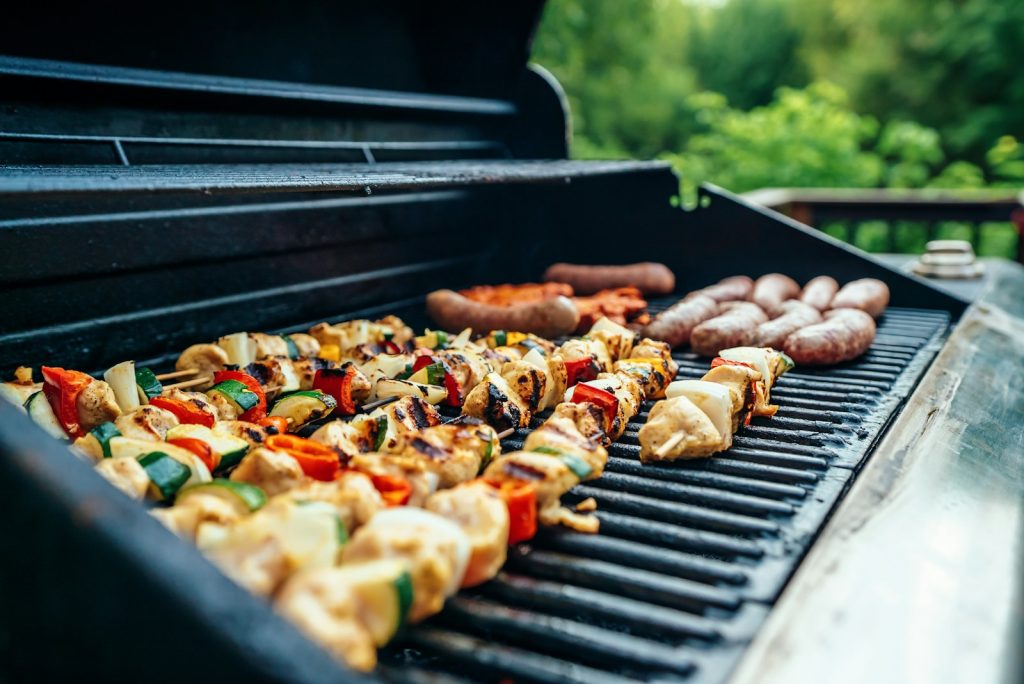
In 2026, grilling practices are shifting toward clean fuels, balanced dry rubs, and precise heat control. Manufacturers are releasing models with stronger materials, longer-lasting components, and accurate digital sensors for steadier performance. Ingredient suppliers are focusing on traceable sources and verified quality testing to support consistent results. Labels list detailed origin data for spices, oils, and ignition materials to improve transparency.
For everyday cooks and small businesses, these changes mean more predictable outcomes and lower waste. Adjusting rub ratios, using dual-zone heat setups, and maintaining equipment helps reduce errors and save time. Tracking data such as moisture loss, smoke level, and salt concentration gives measurable improvements in cooking accuracy and overall efficiency.
Smoke Depth Starts With Simplicity
Using a balanced dry rub provides steady flavor control without relying on sauces. A ratio of two parts coarse salt to one part fine salt removes moisture evenly while keeping meat tender. Apply the mixture 30 minutes to as long as overnight before cooking for uniform absorption. Include coarse pepper and granulated garlic to add surface texture and maintain a consistent aroma.
Prepare each dry rub batch in small amounts to preserve freshness. Store blends in airtight containers labeled with supplier and date, rotating older stock first. Use within six months to maintain consistent flavor quality. Adjust salt balance and resting duration slightly to evaluate their effect on juiciness and color. Reliable measurements create predictable flavor and reduce material waste.
Smarter Heat Control Techniques
A dual-zone grill setup divides heat into a direct high-temperature area and a cooler indirect area. Moving food between the zones saves fuel and keeps cooking more uniform. Set burners or vents to maintain target temperature ranges and confirm readings with an infrared thermometer.
Rotate food often for balanced heat contact and shorter finish times. Calibrate digital thermometers in ice water before use and position probes in the thickest section of the food for accurate readings. Choose natural wood-fiber ignition cubes instead of chemical starters to reduce residue and off-flavors. Before each cook, check grates, burners, and sensors for buildup or damage to maintain consistent performance and safety for upcoming grilling seasons.
Ingredient Transparency at the Grill
Clear labeling supports food safety and flavor consistency. Choose spices from single-origin suppliers and request Certificates of Analysis to confirm purity and composition. Select cooking fats that remain stable under heat, such as clarified butter or avocado oil, to prevent breakdown or smoke contamination.
Use mineral salts with traceable sourcing to keep mineral content and salinity consistent during brining. Keep a record of supplier names, batch codes, and blend ratios to compare results between sessions. Update this log after each cook and adjust proportions to fine-tune taste and salt level. Ingredient transparency improves quality control, supports supplier accountability, and strengthens overall process reliability for 2026’s grilling standards.
Sustainability Through Equipment Longevity
Durable tools lower cost and waste while improving reliability. Maintain cast-iron grates by oil-seasoning them regularly to prevent rust and maintain a smooth surface. Use reusable grill mats instead of disposable foil to reduce material waste. Replace scraper heads and worn parts before failure to protect equipment surfaces and extend lifespan.
Clean deeply using a mix of heated water and white vinegar to lift grease buildup. Scrub with a soft brush, rinse, dry, and re-oil surfaces lightly. Schedule maintenance based on cooking frequency and inspect equipment after each intensive use. Keeping a written checklist for cleaning, calibration, and part replacement helps maintain performance consistency, minimize downtime, and align with 2026 sustainability expectations.
Real Flavor Metrics That Matter
Recording cooking data helps maintain consistent results. Weigh proteins before and after cooking to measure moisture loss, then adjust temperature or time as needed. Measure smoke-ring depth with a ruler or caliper to compare wood types and smoke patterns. These readings identify settings that produce the best texture and color.
Use a salinity meter to confirm brine concentration and keep salt strength uniform across batches. Adjust grams per liter until results remain stable. Weigh proteins after seasoning to track rub coverage or photograph surfaces to confirm distribution. Combine these measurements—moisture, smoke depth, and salinity—in a logbook to refine accuracy, maintain predictable outcomes, and strengthen data consistency for next year’s cooking improvements.
Current advancements in grilling emphasize measurable control, sustainable methods, and ingredient verification. Cleaner fuels, durable probes, and traceable materials improve consistency, reduce emissions, and minimize production waste. Simplified rubs, stable heat management, and regular calibration enhance flavor reliability and extend equipment lifespan. Supplier verification and batch documentation maintain sourcing accuracy and predictable cost control. Tracking precise data on moisture, smoke depth, and salinity standardizes performance across cooking sessions. Together, these developments establish durable, low-impact grilling systems that sustain product quality, operational precision, and long-term efficiency while supporting modern expectations for accountability and environmental responsibility.