Neurorehabilitation has changed dramatically over the last decade. What used to be a slow, repetitive process focused mainly on basic strength and mobility now includes technology-supported therapies, data-informed progress tracking, and highly personalized care plans. In Dallas, this evolution is especially visible because many programs combine traditional clinical expertise with newer tools that make therapy more engaging and, in some cases, more effective.
At its core, neurorehabilitation is about helping people rebuild function and confidence after neurological injury or disease. That can mean learning to walk safely again after a stroke, improving hand use after a traumatic brain injury, strengthening balance with Parkinson’s, or rebuilding communication skills after a neurological event. The most promising approaches today do not rely on a single technique. They combine evidence-based therapy, targeted repetition, and tools that encourage the brain and body to practice the right movements in the right way.
The revolution of neurorehabilitation
Neurorehabilitation is not just a set of exercises. It is a coordinated medical and therapeutic strategy designed to improve function, independence, and quality of life. The “revolution” comes from two major shifts: a stronger understanding of how the brain changes with training, and a growing set of technologies that can make training more precise and more motivating.
Understanding neurorehabilitation beyond the basics
Neurorehabilitation is typically delivered by an interdisciplinary team. Instead of treating one symptom in isolation, the team addresses how a neurological condition affects daily life as a whole. That might include movement, thinking, speech, swallowing, mood, energy, and the ability to manage tasks at home and work.
Most programs in Dallas and elsewhere involve some combination of:
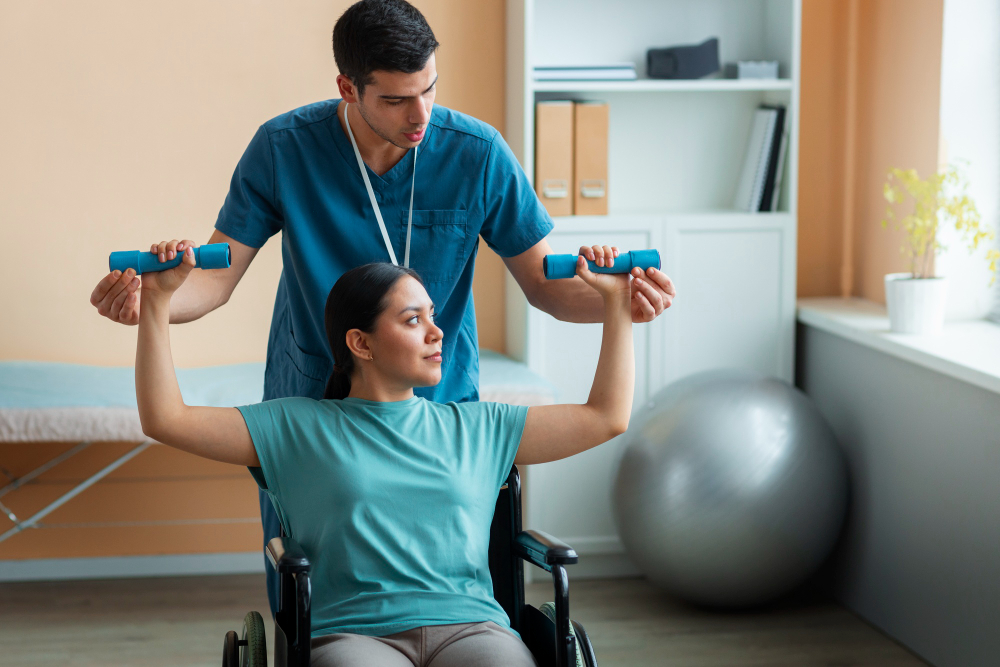
- Physical therapy to improve strength, balance, walking, and endurance
- Occupational therapy to support daily activities like dressing, cooking, handwriting, and driving readiness
- Speech-language therapy for speech, language, cognition, and swallowing issues
- Neuropsychology for memory, attention, mood, and coping strategies
- Rehabilitation nursing and care coordination for medical stability and continuity of care
This approach matters because neurological recovery rarely follows a straight line. People can improve in one area while struggling in another. A coordinated plan reduces gaps, keeps goals consistent, and helps patients build skills that translate to real life.
The science behind modern neurorehabilitation
A major driver of progress in neurorehabilitation is neuroplasticity. Neuroplasticity refers to the brain’s ability to adapt by strengthening existing connections and forming new ones. This does not mean the brain “returns to normal” overnight. It means that with the right training, the nervous system can learn new pathways and strategies.
Modern therapy uses this concept in practical ways. It emphasizes repetition, task-specific practice, and meaningful goals. Practicing a movement repeatedly is helpful, but practicing it in the context of a real task is often more powerful. That is why many therapy programs focus on activities that mimic daily life, such as reaching for objects, stepping over obstacles, or practicing speech in realistic conversations.
Some approaches that build on neuroplasticity include:
- Constraint-based training that encourages use of an affected limb
- Mirror-based activities that support motor relearning
- Repetitive task practice that targets specific functional goals
- Gait and balance training designed to retrain movement patterns
The best programs combine these principles with careful measurement, so the care team can adjust intensity and complexity as the patient progresses.
How technology is changing what recovery can look like
Technology is not replacing therapists. It is expanding what therapists can do. The most helpful tools provide feedback, encourage repetition, and create safe environments for practice. They can also make therapy more engaging, which matters because motivation is a major predictor of participation and long-term progress.
In Dallas, many rehabilitation settings are integrating tools such as:
- Virtual reality programs for simulated real-world practice
- Robotic-assisted therapy to guide movement and track performance
- Sensor-based feedback for balance and gait training
- Digital platforms for home exercise adherence and progress monitoring
These tools can reduce the “guesswork” in therapy. Patients can see feedback in real time, such as how evenly they are stepping or how much force they are using. That clarity often helps people focus and stay consistent, especially during long recovery periods.
Innovative therapies making waves in Dallas
Dallas has become known for embracing a blend of clinical excellence and newer technology-supported methods. The value of these therapies is not just that they are modern. It is that they can be adapted to different levels of ability, making progress more measurable and therapy more personalized.
Virtual reality as a powerful tool in neurotherapy
Virtual reality in neurorehabilitation is more than entertainment. It creates structured environments where people can practice functional tasks with controlled difficulty. A therapist can adjust the challenge level, measure progress, and keep the experience engaging.
For example, virtual training can simulate:
- Walking through busy environments while practicing balance and attention
- Reaching tasks that improve upper limb control and coordination
- Daily activities like cooking steps, grocery navigation, or object sorting
- Cognitive tasks that involve memory, reaction time, and decision-making
One of the biggest advantages is repeatability. A patient can practice a task multiple times without the safety risks of real-world environments. Over time, this structured repetition supports motor learning and confidence. Many people also find VR more motivating than standard drills, which can improve consistency in therapy participation.
Robotic-assisted rehabilitation that supports precision and progress
Robotic-assisted rehabilitation is often used to support gait training, arm movement retraining, and repetitive functional practice. These systems can guide movement patterns, provide resistance or assistance, and deliver performance data that helps therapists fine-tune the plan.
Common examples include:
- Robotic gait systems that support walking practice with controlled alignment
- Arm and hand devices that encourage repeated reaching or grasping patterns
- Exoskeleton-assisted training for individuals with significant mobility limitations
Robotic tools can be especially helpful when a person needs high repetition and consistent movement guidance. They also allow therapists to track details that are hard to measure visually, such as symmetry, force, and endurance trends.
The best outcomes typically occur when robotic training is combined with hands-on therapy. Robots can support high-volume practice, while therapists focus on technique, functional transfer, and real-world adaptation.
Personalized treatment plans as the new standard
Neurorehabilitation works best when it is individualized. A plan that helps one person may be ineffective for another, even if the diagnosis is similar. Dallas programs increasingly begin with comprehensive assessments that measure strength, balance, coordination, cognition, speech, endurance, and daily function.
A strong personalized plan typically includes:
- Clear functional goals defined with the patient and family
- Therapy intensity matched to medical tolerance and fatigue levels
- A mix of clinic-based sessions and home practice strategies
- Regular re-evaluation and plan adjustments based on progress
This approach treats the patient as a partner, not just a recipient of care. When people understand the purpose of each therapy element, they are more likely to follow through. That consistency can make a meaningful difference in long-term outcomes.
The role of interdisciplinary teams in neurorehabilitation
Recovery from a neurological condition is rarely limited to one domain. Movement, cognition, mood, speech, and daily function are often connected. Interdisciplinary teams help address the whole picture.
Key professionals involved in the recovery journey
A neurorehabilitation team typically includes multiple specialists, each focused on a different part of recovery.
Physical therapists work on walking, balance, strength, coordination, endurance, and fall prevention.
Occupational therapists focus on daily tasks such as dressing, cooking, personal care, and upper extremity function. They also often recommend adaptive tools and home modifications.
Speech-language pathologists address speech clarity, language skills, cognitive communication, and swallowing safety.
Neuropsychologists support cognitive evaluation, emotional health, coping strategies, and adjustment after injury or diagnosis.
Rehabilitation nurses and case managers help coordinate care, manage medical needs, and ensure smooth transitions between settings, such as inpatient to outpatient therapy.
When these professionals coordinate, therapy becomes more cohesive. Goals align, progress is tracked consistently, and patients receive clearer guidance.
Why collaboration improves outcomes
Team collaboration is not just a meeting on a schedule. It is an active process of sharing observations, adjusting goals, and keeping therapy aligned with real-world function.
Regular collaboration helps teams:
- Identify barriers early, such as fatigue, depression, or medication side effects
- Coordinate therapy tasks so one discipline supports another
- Prevent conflicting instructions that confuse patients
- Reinforce progress through consistent messaging and shared goals
This approach can be especially important when a patient’s needs change. Recovery can reveal new strengths or new challenges. A coordinated team can respond quickly and adjust the plan without losing momentum.
Patient-centered care and the importance of partnership
The most effective neurorehabilitation programs treat patients as active participants. This means involving them in goal-setting, listening carefully to their priorities, and adapting therapy to what matters in their daily life.
Patient-centered care often includes:
- Setting goals tied to meaningful tasks, not just clinical metrics
- Explaining why each exercise or tool is being used
- Encouraging questions and open communication
- Building confidence through measurable progress and realistic expectations
When people feel ownership of their plan, therapy becomes less like something happening to them and more like a process they are driving with support. That sense of control can improve motivation and reduce frustration during slow periods.
Success stories and community impact in Dallas
Neurorehabilitation progress is often measured in practical victories. Taking independent steps, using a hand again, returning to work, communicating more clearly, or managing fatigue well enough to participate in family life. These improvements may seem small from the outside, but they can be life-changing.
Recovery stories that reflect what is possible
Dallas programs often highlight how combining technology, consistent therapy, and strong team support can change a recovery trajectory. A person who begins therapy with severe weakness may regain meaningful mobility through structured gait training, robotic support, and progressive strengthening. Someone with speech difficulties may rebuild communication through consistent therapy, cognitive strategies, and family involvement.
These stories share a common theme: progress is built through steady practice, not quick fixes. Technology can speed learning in some areas, but the foundation is repetition, guidance, and persistence. Recovery also depends on emotional resilience, which is why psychological support and family education matter.
How neurorehabilitation is shaping the broader Dallas community
As more programs expand and more people learn about neurorehabilitation options, Dallas has seen growing community engagement. Support groups, educational events, and local initiatives can help families navigate recovery more effectively. When patients and caregivers connect with others who understand the experience, it reduces isolation and increases access to practical tips and encouragement.
Community involvement also increases awareness of neurological health. That can lead to earlier intervention, more informed decision-making, and stronger advocacy for accessible services. Over time, a community that understands recovery becomes better equipped to support it.
Ways to get involved and support neurorehabilitation initiatives
People who want to support neurorehabilitation do not need clinical training to make a difference. Practical ways to contribute include:
- Volunteering with local organizations that support neurological recovery
- Participating in awareness campaigns focused on stroke, brain injury, and neurodegenerative conditions
- Supporting caregiver resources and education programs
- Contributing to fundraising events that expand access to therapy and adaptive equipment
Even small efforts can help build a culture where recovery is better understood, better supported, and more accessible.
Conclusion
Cutting-edge neurorehabilitation in Dallas reflects a larger shift in how neurological recovery is approached. Programs increasingly combine evidence-based therapy with tools like virtual reality and robotic assistance, all grounded in the science of neuroplasticity. The most effective care is individualized, supported by interdisciplinary teams, and shaped by patient goals.
For individuals and families navigating neurological recovery, the most important step is finding a program that matches needs, provides consistent guidance, and treats the patient as a partner in the process. With the right blend of expertise, technology, and support, neurorehabilitation can help people rebuild not only function, but also confidence and connection to everyday life.