
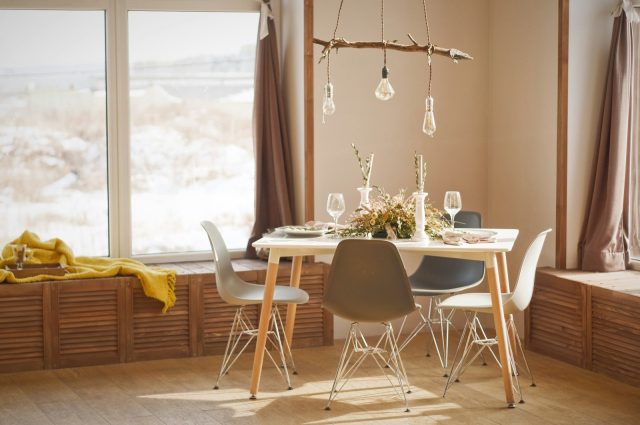
Windows do more than bring in light — they set the mood, shape the space, and offer a canvas for design. But finding the right way to dress them can be a challenge. You want something that’s practical but still adds to the overall look. Something that gives you control without compromising style. That’s where the balance between beauty and function becomes essential.
The best window treatments aren’t just about privacy or blocking light. They’re about completing the room. A bare window can make a space feel unfinished, while the right treatment can tie together furniture, paint, and flooring in a way that feels effortless. Whether you’re renovating or just updating a single room, exploring options for blinds sydney can be a smart and stylish step in the right direction.
Let’s break down how to choose window coverings that not only look great but also work hard behind the scenes.
Think Function First — Then Add Style
Before diving into fabrics and finishes, start with what your windows actually need to do for the room. Are you looking for better insulation? More privacy at night? Light filtering for a home office or bedroom? Once you’re clear on the purpose, you can start narrowing down the options.
Some of the most common goals include:
- Light control – Roller or Venetian blinds are great for adjusting brightness throughout the day.
- Privacy – Block-out blinds or layered curtains give you flexible control over visibility.
- Temperature regulation – Cellular or thermal-backed blinds can help keep heat in during winter and out in summer.
- Noise reduction – Heavier fabrics can absorb sound and make a room feel quieter and calmer.
Once the functional boxes are ticked, you can shift your attention to the fun part — the look and feel.
Materials That Do the Heavy Lifting
Modern blinds come in a wide range of materials — each with different strengths. The right choice depends on the room’s purpose and your design goals.
- Timber and faux wood – Great for adding warmth and natural texture. Ideal for living areas or home offices.
- Aluminium – Lightweight and moisture-resistant, making it perfect for bathrooms or kitchens.
- Fabric – Softens the room’s overall feel and can blend seamlessly with cushions, rugs, or upholstery.
- PVC or vinyl – Durable and easy to clean, ideal for busy households or high-traffic areas.
Don’t be afraid to mix materials across different rooms. What works in a bedroom might not suit the kitchen, and that’s completely fine.
Colour, Texture and Patterns: Choosing What Complements Your Space
Window coverings offer an easy way to add colour and texture to a space — without overwhelming it. If your room already has a strong palette or bold features, neutral blinds can balance things out. On the other hand, if the space feels a bit flat, patterned or textured blinds can bring in personality.
A few simple rules to keep in mind:
- Match tones rather than exact colours. Warm tones (beige, tan, rust) work well together, as do cool tones (greys, blues, whites).
- Use texture to your advantage. A woven fabric blind adds interest even if it’s in a subtle shade.
- Keep patterns simple if the room already has other focal points (like a bold rug or gallery wall).
Layering for Comfort and Control
Layered window treatments offer the best of both worlds — practicality and softness. Think sheer curtains paired with block-out blinds, or timber Venetians layered under linen drapes. This combination not only looks luxurious but also gives you more control over how much light and privacy you want at any time of day.
Layering is especially effective in bedrooms, living rooms, and media spaces where you want flexibility and a finished look. Plus, the extra fabric helps with insulation and noise reduction.
Don’t Forget the Details
Mounting options, cord types, and automation features can make a big difference in everyday use. Choose between inside or outside mounts depending on the window’s structure and your design preference. Consider cordless or motorised blinds for a cleaner look — and a safer option if you have children or pets.
Hardware like rods, rings, and brackets should match or complement other finishes in the room (think light fittings, door handles, or taps). These finishing touches might seem minor, but they help bring everything together cohesively.
The Final Layer in Any Great Room
Window treatments are often one of the last things people choose — but they should be considered right from the start. They’re one of the few design elements that affect light, privacy, temperature, and acoustics and aesthetics all at once.
The right choice will support how you use the room every day. It’ll make mornings feel brighter, movie nights more immersive, and quiet evenings more comfortable. Done well, window coverings don’t just decorate your space — they complete it.